

Blog

Best Way to Clean Muddy Dog Paws: A Complete Guide for Every Dog Owner
Knowing how to clean muddy dog paws properly is important after walks, especially when your dog has been exploring muddy trails, splashing through puddles, or running across wet grass. These adventures are great for your dog's physical and mental well-being, but they often end with one unavoidable problem—muddy paws.
Many pet owners simply wipe away the visible dirt and call it a day. However, mud can hide bacteria, road salt, tiny stones, allergens, and even harmful chemicals that may irritate your dog's paw pads or be licked off later. Taking a few extra minutes to clean your dog's paws properly helps keep your pet healthy while also protecting your floors, carpets, and furniture.
In this guide, you'll learn the safest way to clean muddy dog paws, the tools you'll need, common mistakes to avoid, and simple habits that can keep your dog's paws healthy throughout every season.
Why Cleaning Muddy Dog Paws Is So Important
Cleaning your dog's paws isn't just about keeping your home clean. Paw pads come into direct contact with everything outside, from dirt and mud to sharp gravel, bacteria, pesticides, fertilizers, and de-icing chemicals during winter. If left uncleaned, these substances can cause irritation, dryness, small cuts, or infections. That's why learning how to clean muddy dog paws properly matters for your pet's comfort and long-term health.
Dogs also naturally lick their paws after walks. If harmful chemicals or bacteria remain on the paw pads, your dog may accidentally ingest them. Regular paw cleaning significantly reduces this risk while giving you the opportunity to inspect your dog's feet for injuries, cracked pads, or foreign objects.
Healthy paws also improve your dog's comfort. Small pebbles, thorns, or packed mud trapped between the toes can become painful if ignored. A quick inspection after each walk helps prevent small issues from becoming expensive veterinary visits later.

How to Clean Muddy Dog Paws Step by Step
After every walk, follow these simple steps to keep your dog's paws clean and healthy.
1. Remove Loose Dirt
Before using water, gently shake or brush off loose mud, leaves, and small stones. This prevents extra mess and makes cleaning much easier.
2. Rinse with Lukewarm Water
Use lukewarm water to rinse each paw thoroughly. Avoid hot water, as it may dry out or irritate your dog's paw pads.
3. Clean Between the Toes
Mud, grass seeds, and tiny pebbles often hide between your dog's toes. Carefully separate the toes and remove any trapped debris.
4. Dry the Paws Completely
Pat the paws dry with a soft towel. Moisture left between the toes can encourage bacteria and yeast growth.
5. Inspect for Injuries
Take a few seconds to check for cuts, cracked pads, splinters, or signs of irritation. Early detection can prevent more serious problems.

Common Mistakes When Cleaning Muddy Dog Paws
Even caring owners sometimes make simple mistakes that can affect their dog's paw health.
- Using hot water instead of lukewarm water.
- Forgetting to dry the paws after washing.
- Ignoring small cuts or cracked paw pads.
- Using harsh soaps or household cleaning products.
- Waiting until mud dries completely before cleaning.
Avoiding these mistakes makes the process of cleaning muddy dog paws safer and more comfortable for your dog.
How to Clean Muddy Dog Paws: Essential Products
The right tools can save time and improve your dog's comfort.
- Soft microfiber towel
- Dog-safe paw wipes
- Portable paw cleaner
- Paw balm for dry or cracked pads
- Soft grooming brush
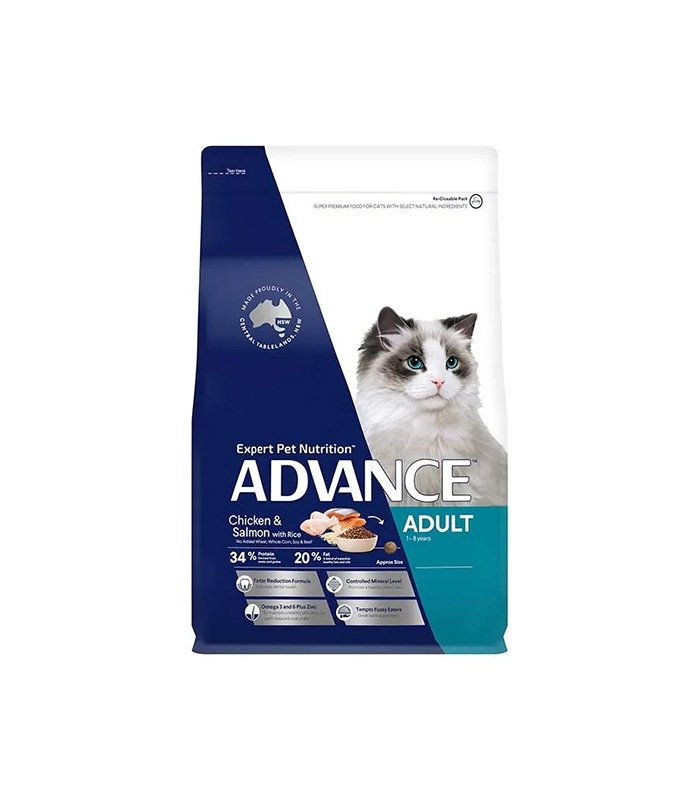
Recommended Paw Care Products
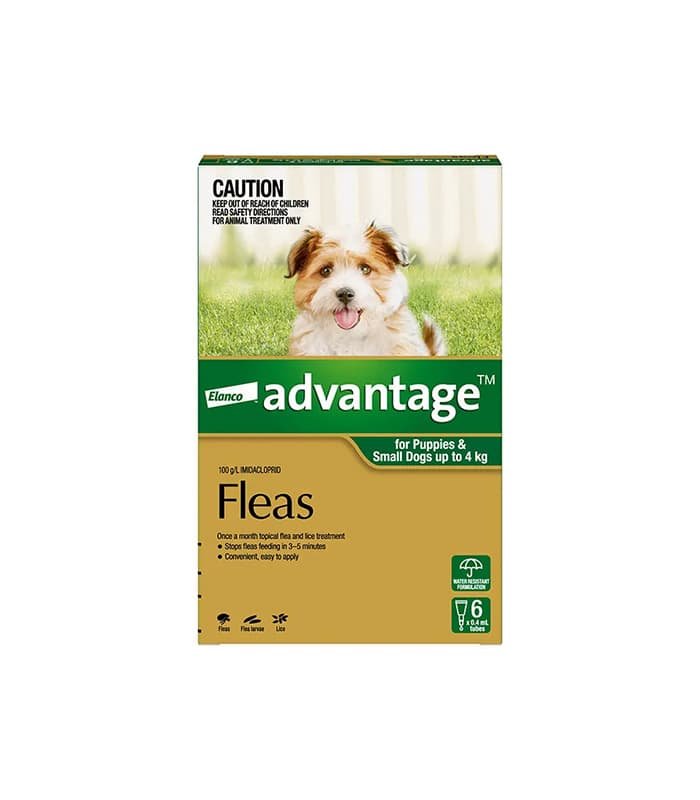
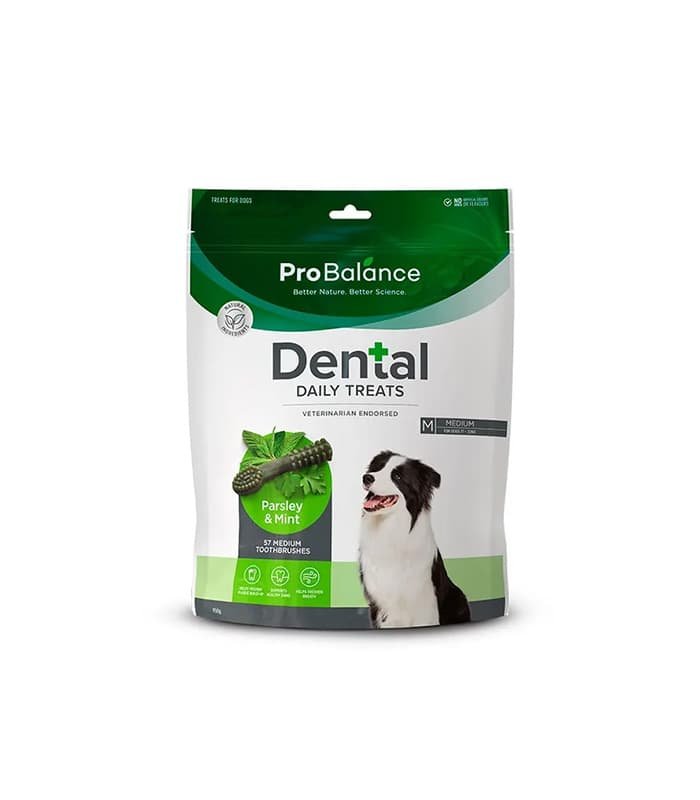
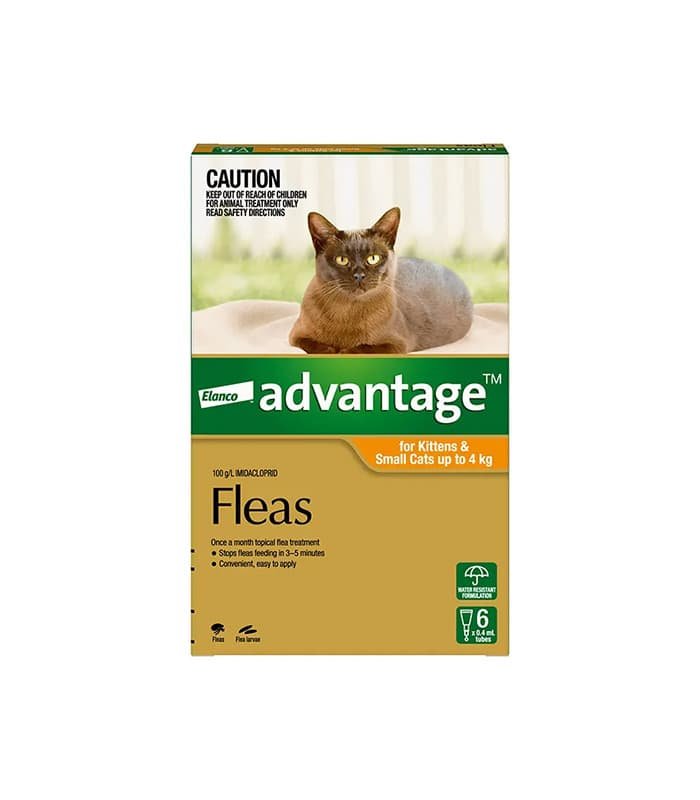
These products make cleaning muddy dog paws quicker, easier, and more comfortable for both you and your dog.
How Often Should You Clean Muddy Dog Paws?
There's no need to wash your dog's paws after every trip outside, but you should always inspect them.
Knowing how to clean muddy dog paws is especially important when they become muddy, snowy, or come into contact with road salt, fertilizers, or other chemicals. For everyday walks on clean sidewalks, simply wiping the paws with a damp towel is usually enough.
Regular inspections help you catch problems before they become painful or require veterinary treatment.

Frequently Asked Questions
Can I use baby wipes on my dog’s paws?
No. Many baby wipes contain ingredients that may irritate a dog’s sensitive paw pads. Always choose wipes specifically designed for dogs.
Is it safe to wash my dog’s paws every day?
Yes, if needed. Just use lukewarm water and dry the paws thoroughly afterward.
What should I do if my dog’s paw is bleeding?
Clean the wound gently, apply light pressure if necessary, and contact your veterinarian if the bleeding doesn’t stop or the injury appears serious.
Final Thoughts
Keeping your dog’s paws clean takes only a few minutes, but it plays an important role in protecting their overall health. Regular cleaning removes dirt, harmful chemicals, and debris while giving you the chance to spot cuts, cracked pads, or other problems before they become serious.
With a simple routine after muddy walks, your dog will stay more comfortable, your home will stay cleaner, and you’ll help keep every adventure safe and enjoyable.