


Blog

What Is Catnip? A Guide to Your Cat’s Favorite Treat
Catnip is one of the most fascinating plants for cats. Some felines become playful and energetic when exposed to it, while others simply relax or show no reaction at all. If you've ever wondered why cats love catnip or whether it's safe, this guide explains everything you need to know.
Why Do Cats Love Catnip?
Not every cat reacts to catnip, but those that do may display behaviors such as:
- Rolling on the ground
- Rubbing their face against the plant
- Purring
- Playing energetically
- Jumping or zooming around
- Relaxing after the excitement fades
The response usually lasts between 5 and 15 minutes, after which cats become temporarily insensitive to catnip for a short period.

Is Catnip Safe for Cats?
Catnip is generally well tolerated by most cats when used in small amounts. However, eating too much can cause vomiting or diarrhea, so moderation is recommended. Some cats may also become overly excited during play. If your cat has a medical condition or shows an unusual reaction, consult your veterinarian.
Recommended Cat Toys & Enrichment
Why Doesn't Every Cat Respond to Catnip?
Interestingly, sensitivity to catnip is genetic.
About 50–70% of cats respond to catnip, meaning a significant number show little or no reaction.
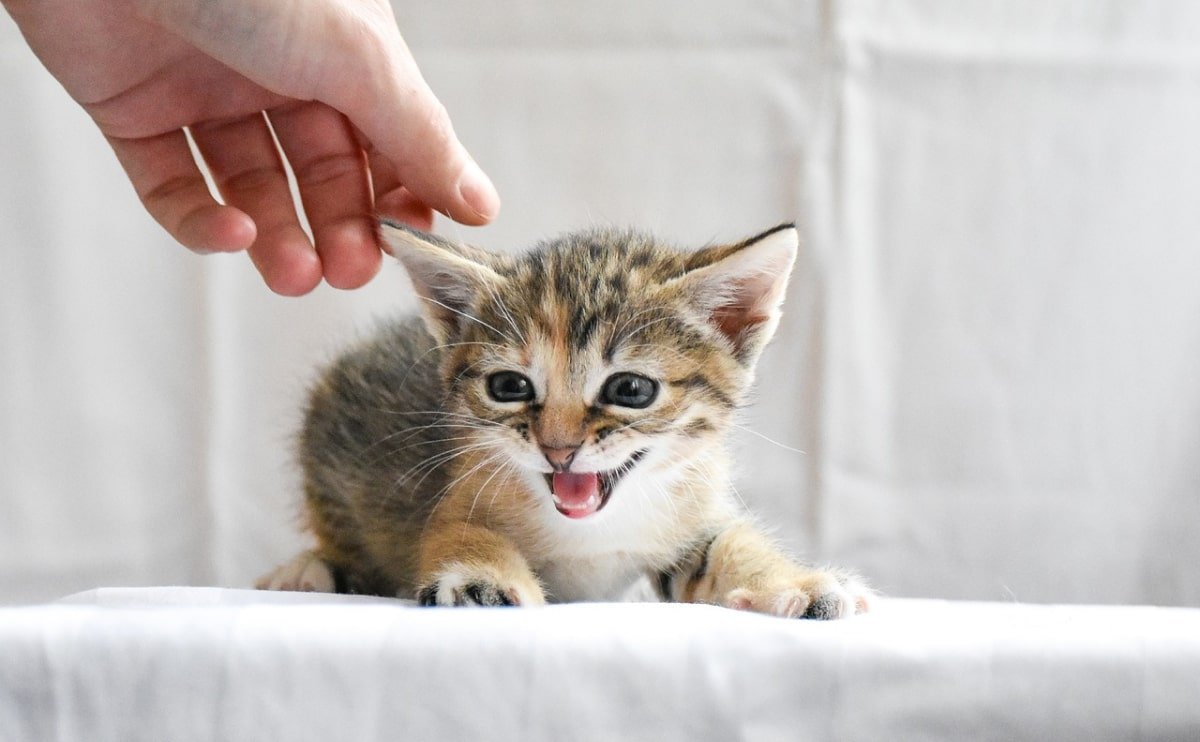
Kittens younger than about 3 to 6 months usually don't respond, and some senior cats become less sensitive with age.
Different Ways to Give Your Cat Catnip for Cats
Catnip comes in several forms, including:
- Fresh catnip leaves
- Dried catnip
- Catnip spray
- Catnip-filled toys
- Catnip treats
Many owners use catnip to encourage play, make scratching posts more appealing, or help cats explore new toys.
Benefits of Catnip for Cats
When used appropriately, catnip can provide several benefits:
- Encourages exercise and active play
- Reduces boredom for indoor cats
- Provides mental stimulation
- Helps some cats feel relaxed after play
- Makes training with toys or scratching posts easier

Can Cats Have Too Much Catnip?
While most cats tolerate small amounts well, more isn’t always better.
Giving catnip every day may reduce your cat’s response over time. Offering it occasionally rather than daily can help keep the experience interesting.
This is one of the most important things to know about using catnip for cats safely.
If your cat eats too much catnip, mild vomiting or diarrhea may occur, although this is uncommon.

How to Introduce Catnip to Your Cat
If your cat has never tried catnip:
- Start with a small amount.
- Let your cat smell it first.
- Observe your cat’s reaction.
- Remove the catnip after the play session.
- Wait a few days before offering it again.
Every cat reacts differently, so don’t worry if your pet shows little interest.
Frequently Asked Questions
Can kittens have catnip?
Yes, but most kittens don’t respond until they are around 3–6 months old.
Is catnip addictive?
No. Catnip is not addictive and does not create dependence.
Can humans use catnip?
Yes. Catnip has traditionally been used in herbal teas for people, but products made for cats should only be used as intended.
Should I give catnip every day?
It’s better to use it occasionally rather than daily to maintain your cat’s interest.
Final Thoughts
Catnip is a safe, natural, and enjoyable way to enrich many cats’ lives. While not every cat responds to it, those that do often enjoy short periods of playful excitement followed by relaxation.
Whether you choose fresh leaves, dried catnip, or catnip toys, using it in moderation can provide fun and mental stimulation while helping your feline stay active and engaged.
Browse Our Cat Collection